
Biennalocene – Labour, Infrastructures and Curatorial Responsibility



Date: Monday, 25 May 2026
Time: 3PM BST (4:00 PM CEST / 10:00 AM EDT)
Duration: 1h 30min
Open to: Everyone
Admission: Free (Registration required)
Location: Online via Zoom
Zoom link: https://northwestern.zoom.us/j/96759381372(Please save the Zoom link for direct access on the day.)
Please be aware that the online session will be recorded. By participating in the workshop, you consent to the recording of the session, which will include audio, video, and any shared content. The recorded webinar will be published on the IKT YouTube channel and website for future reference and for the benefit of members who are unable to attend the live session.
Registration is now closed.
If you missed it, catch up with the webinar recording below and revisit key insights!
ABOUT THE WEBINAR
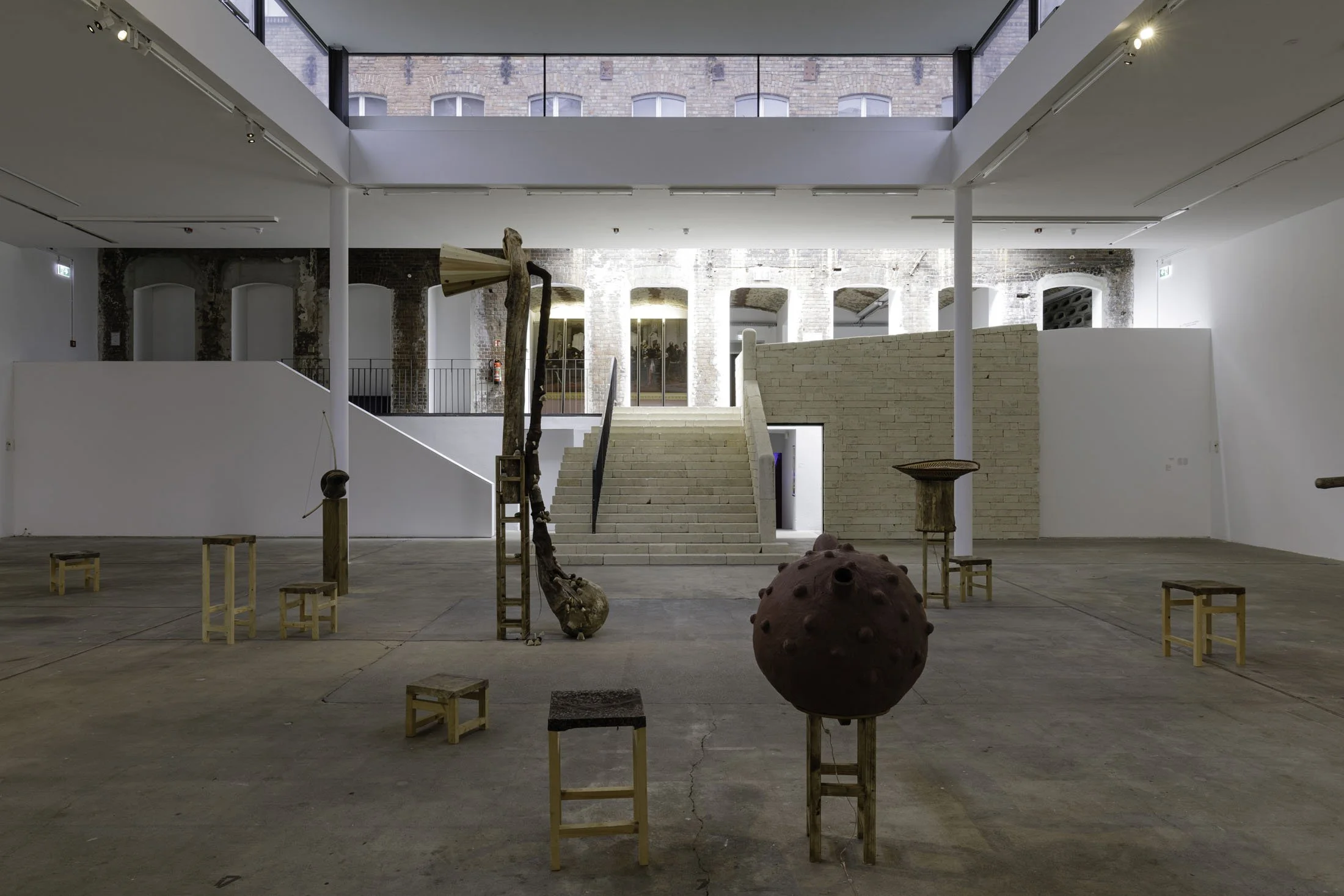
The term Biennalocene, developed through the research of the Institute of Radical Imagination in Venice, emerges from a militant inquiry into the conditions of cultural labour within the biennial ecosystem. It reflects on the rapid global proliferation of biennials and their entanglement with processes of cultural gentrification, extractive economies and the structural invisibilisation of artistic and cultural work.
Biennials are not only exhibition formats. They also operate as infrastructural devices that shape urban economies, public imaginaries and territorial narratives. In many contexts, they intersect with tourism-driven development, where culture risks becoming a commodity and artists are increasingly positioned as content producers within economies of spectacle. Within this framework, biennials carry a growing responsibility toward the ecosystems they inhabit: social, cultural and infrastructural.
This webinar brings together four biennials with distinct geographies and methodologies to explore both resonances and divergences in how biennials are conceived, produced and evaluated today. The session is conceived not only as a comparative platform, but also as a space in which to question how biennials produce value, visibility and responsibility. Moving beyond quantitative metrics such as audience numbers, the discussion will focus on qualitative dimensions, including the capacity to generate new artistic collaborations, foster interdisciplinary exchange, support residencies and production processes, activate local contexts and engage previously unaddressed publics. The session does not aim to critique the biennial model from an external position, but rather to explore how curatorial methodologies operate within it and transform it from within.
BIENALSUR, led by Diana Wechsler, Artistic Director since 2015, proposes a decentralised and transnational model that connects institutions and cities across continents through an expanded network of exhibitions and events. Structured as a distributed platform rather than a single-site biennial, it establishes a dialogue between artistic practice, academic research and knowledge production, while charting an alternative global map that reconfigures traditional cultural geographies.
The Bukhara Biennial 2025, titled Recipes for Broken Hearts, commissioned by Gayane Umerova (Uzbekistan Art and Culture Development Foundation) and curated by Diana Campbell, Artistic Director, with the support of Assistant Curator Timur Zolotoev, introduces a new institutional experiment rooted in Central Asia. As its inaugural edition, the biennial foregrounds collaboration between artists and local artisans through processes of shared authorship. It recognises craft-based knowledge as a central component of contemporary artistic production, while engaging new audiences through context-specific and locally embedded practices.
The 13th Berlin Biennale for Contemporary Art 2025, titled passing the fugitive on, curated by Zasha Colah and Valentina Viviani, develops a curatorial approach grounded in fugitivity as both method and condition. The biennial adopts foxing as an operational strategy, navigating institutional pressures through forms of evasion, opacity and displacement, and foregrounding practices that engage with lived realities through situated and often subtle modes of intervention.
The Malta Biennale 2024, titled Insulaphilia and directed by Sofia Baldi Pighi, develops a Mediterranean and insular perspective that reflects on the geopolitical positioning of Malta within the central Mediterranean. Conceived within the island’s cultural heritage sites, the biennial positions artistic practice as a civic and pedagogical infrastructure, engaging with the Mediterranean as a space of conflict and civic resistance, while critically addressing the liminal and contested condition of European borders.
The session draws on ongoing research that considers artistic practices as operating within liminal conditions and contributing to the construction of alternative cultural imaginaries. Particular attention will be given to the role of on-site production and artistic labour, the function of public programmes as civic and pedagogical infrastructures, and the creation of long-term relationships between artists, institutions and territories.
The discussion will compare key dimensions of biennial-making, including funding structures, thematic frameworks, exhibition formats, community engagement and modes of public experience. It aims to outline how biennials might evolve from event-based formats into infrastructures of shared responsibility, capable of supporting cultural workers, institutions and communities, while critically engaging with the socio-political conditions that shape their existence.
SPEAKERS
Diana Wechsler
Artistic Director, BIENALSUR
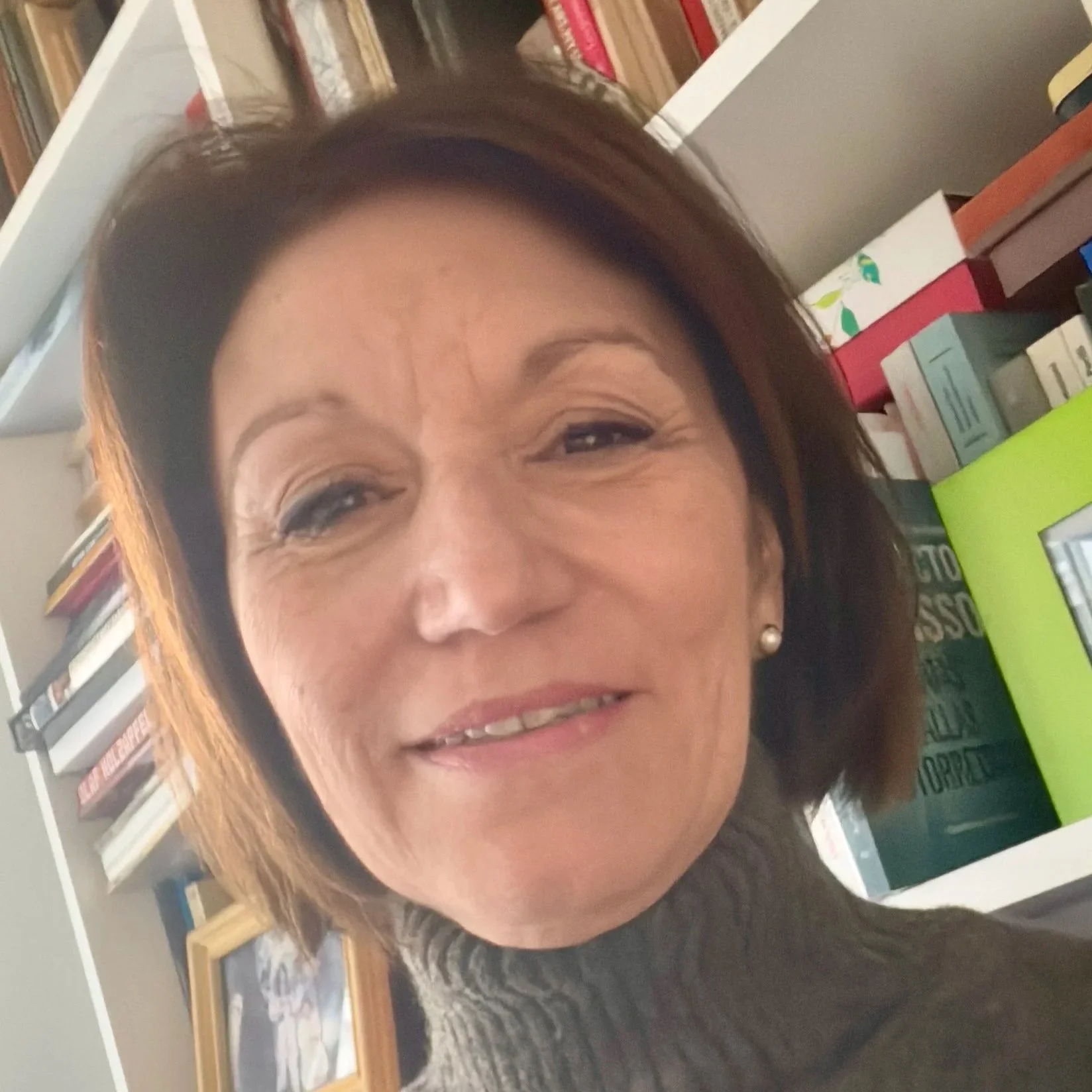
Diana Wechsler holds a Ph.D. in Art History, is a researcher at CONICET (National Scientific Research Council). She is the Vice-Rector of the National University of Tres de Febrero (UNTREF) and the Artistic Director of MUNTREF and she also directs the Institute for Art and Culture Research and the Master’s Program in Curatorial Studies at UNTREF.
Since 2015, together with Aníbal Jozami, she has conceived and directed, as artistic director, BIENALSUR (The International Biennial of the Souths).
She publishes essays on her field nationally and internationally and conducts curatorial research at various museums and centers dedicated to modern and contemporary art, including: Utopia keep going, Pensar con imagenes, Boltanski Buenos Aires, Echoes between the analog and the virtual, Reality & Utopia, Cosmopolitanism, Cubism, and New Art, Territories of Dialogue, Novecento sudamericano. She edits the journal Estudios Curatoriales, among others.
She has received fellowships and grants such as the Getty Foundation Postdoctoral Fellowship and the Art Essays and Curatorial Awards from the International Association of Art Critics as well as the Scientific Production Award from the Senate of the Argentine Republic.
She received the Konex Prize for Art Essays. She was honored by the French Republic with the honorary title of Chevalier des Palmes Académiques.
Timur Zolotoev
Independent Curator / Assistant Curator, Bukhara Biennial 2025
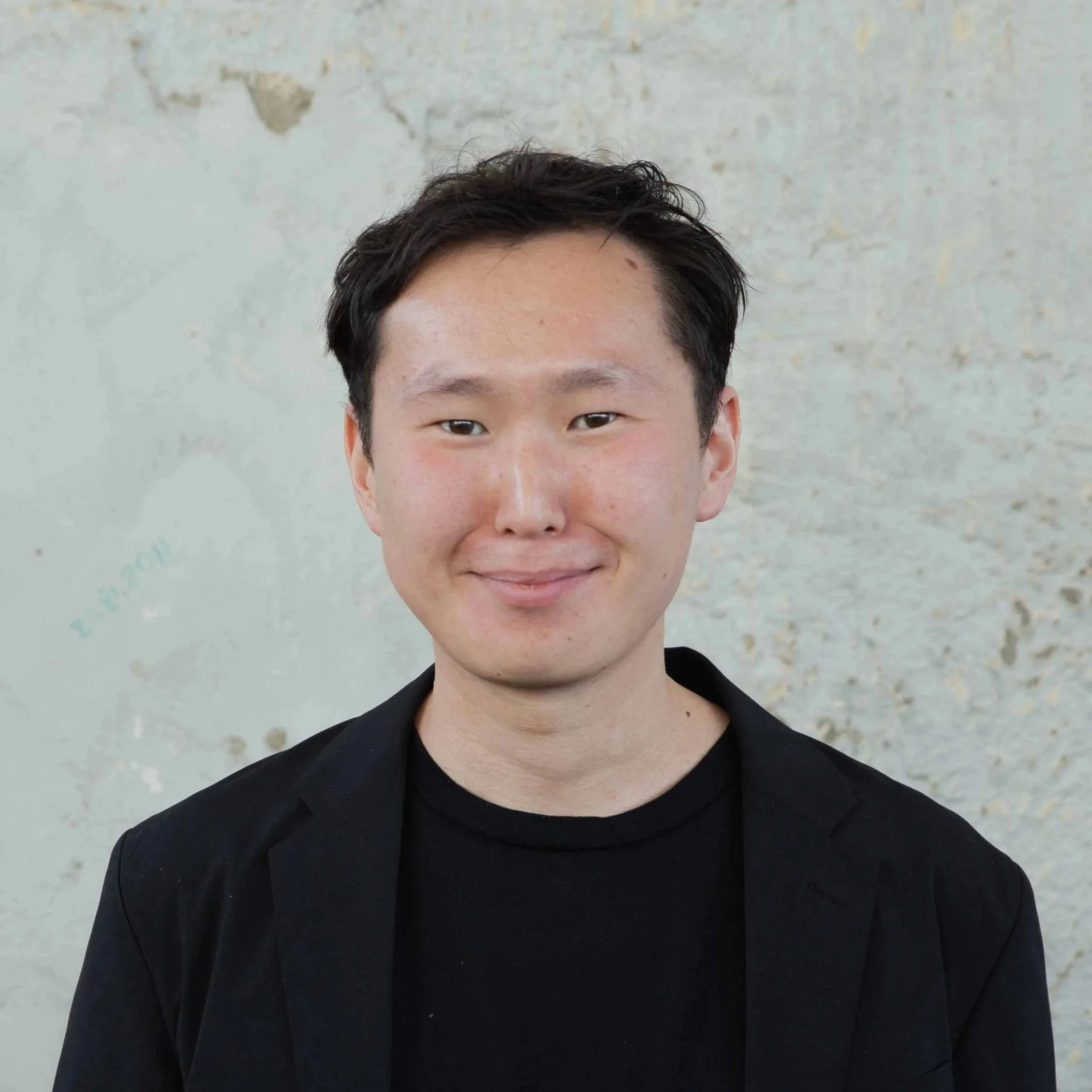
Timur Zolotoev is a Berlin-based curator and editor whose work intersects contemporary art and architecture.
He has worked as Assistant Curator for the inaugural Bukhara Biennial and contributed to exhibitions and research projects at the Haus der Kulturen der Welt (HKW) and the Garage Museum of Contemporary Art. He also served as a curator at Lkham Gallery in Ulaanbaatar, Mongolia. He was a member of the curatorial team for the Dissolving Earths project and did a curatorial residency with the Slavs and Tatars collective. Additionally, he is collaborating with the ArtSLInK (Arts, Science, Local, and Indigenous Knowledge) digital transmedia platform.
He is the former editor-in-chief of the English edition of Strelka Mag, the online magazine of the Strelka Institute for Media, Architecture and Design.
Valentina Viviani
Independent Curator / Assistant Curator, 13th Berlin Biennale for Contemporary Art 2025
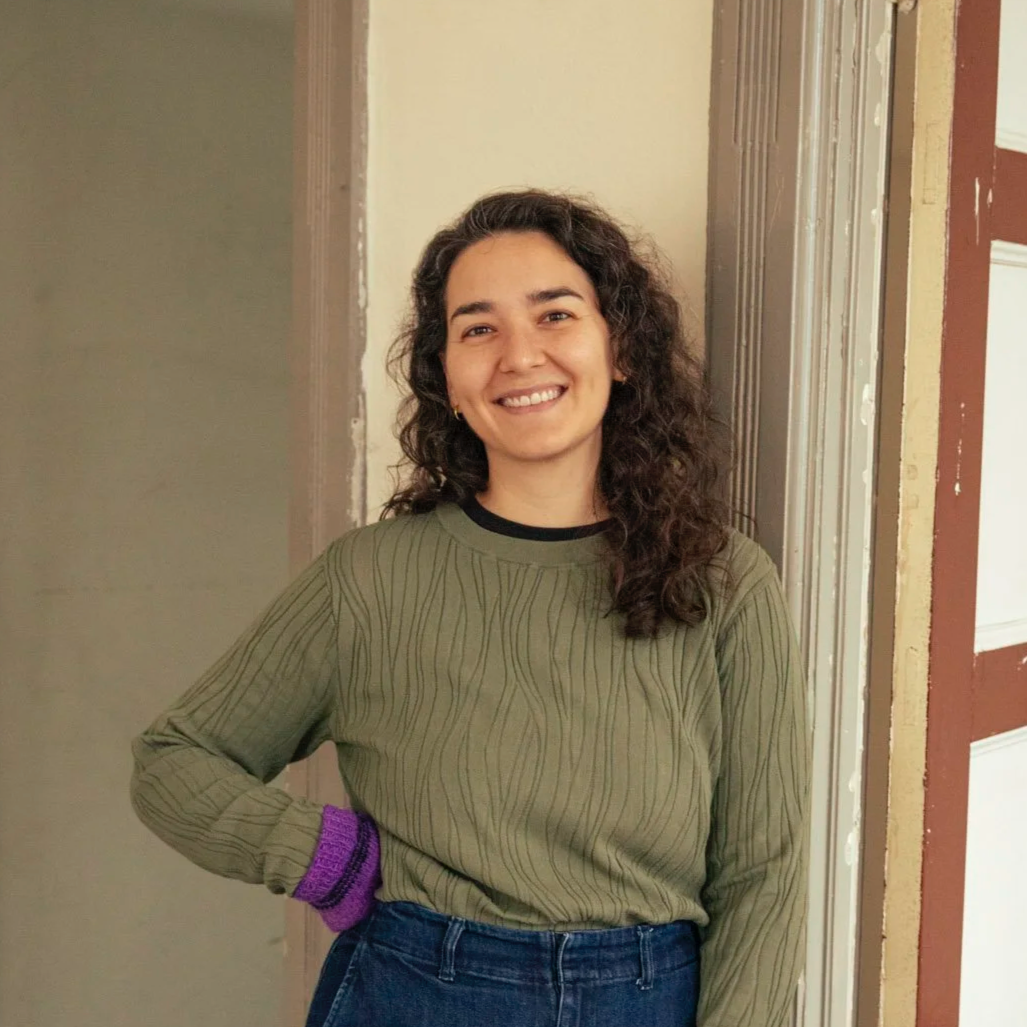
Valentina Viviani is an artist and curator, part of Poly Marchantia, an artist collective focused on ways of enacting plant thinking and entering in conversation with spaces understood as ecosystems. She has participated in group shows and solo exhibitions between Argentina and Italy such as, The Missing Forest, a performative-walk presented both at ar/ge Kunst, (Bozen-Bolzano, 2023) and at GAMeC, (Bergamo, 2025); Quali voci, quali corpi, quali storie? As part of SITU residency program (Militello, 2021); and Atlas, fragmentos para la producción del Paisaje (Córdoba, 2017), among others.
She worked as assistant curator at the 13th Berlin Biennale for Contemporary Art. Prior to this, she collaborated with Zasha Colah to curate The Scorched Earthly (221A Vancouver, 2021–22), and Extraneous (EXILE gallery, for Curated by festival, Vienna, 2022). She has taught in the MA Mater Matuta, a program of curatorial practice and the philosophy of the Mediterranean in ABADIR Academy (Sicily, 2023), and more recently she taught Methodologies for Art and Ecology in the MA Art and Ecology at NABA, Nuova Academia di Belle Arti (Milan, 2025-26). She lives and works between Córdoba and Turin.
Moderator
Sofia Baldi Pighi
Independent Curator / Artistic Director, Malta Biennale 2024
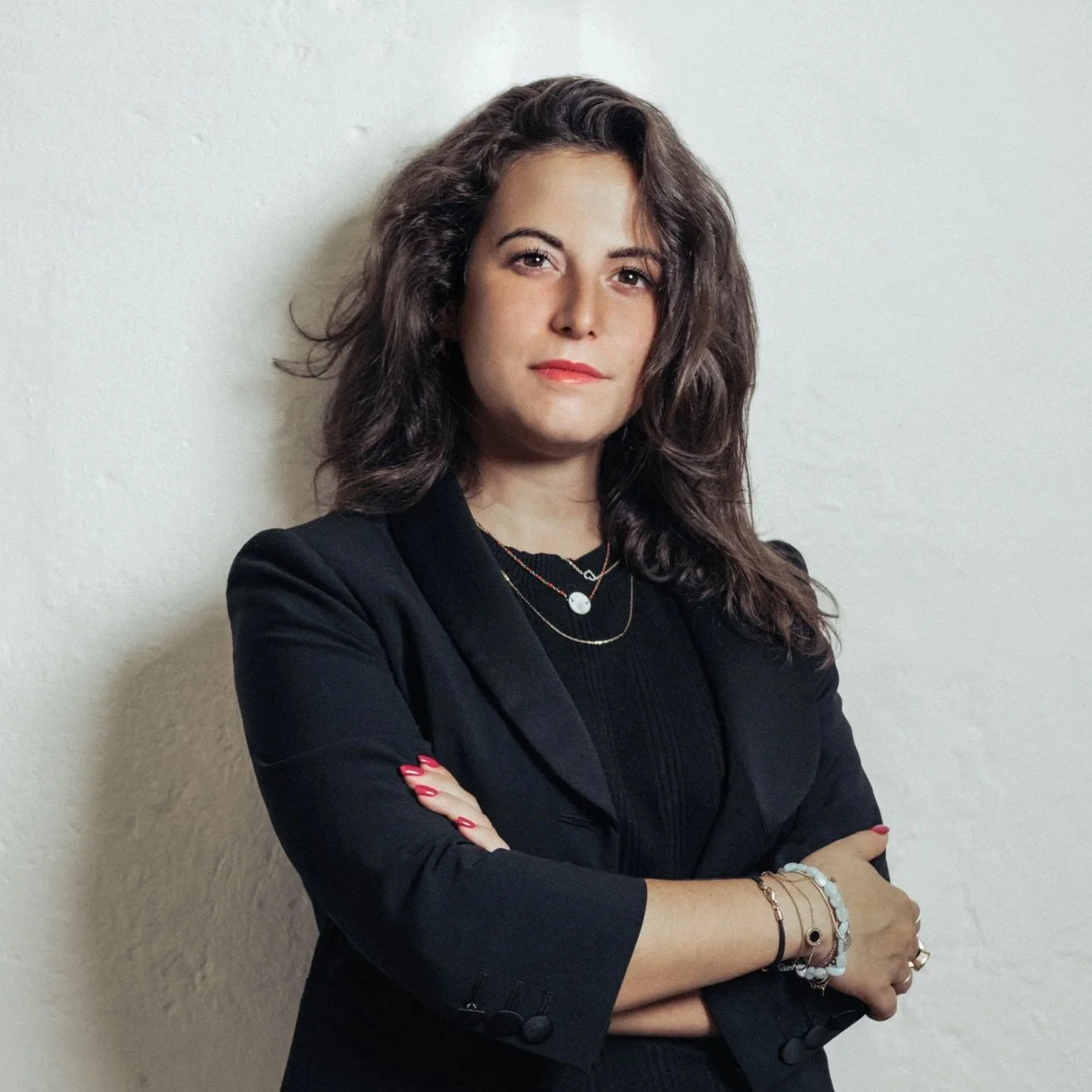
Sofia Baldi Pighi is a curator and researcher pursuing a practice-based PhD in Curatorial Studies at the Albertina Academy of Fine Arts in Turin, working between Italy and Malta. Her doctoral research investigates European borders as spaces where artistic practices of civil resistance emerge in relation to heritage, public space, militarisation and control, with a particular focus on the Central Mediterranean. Her methodology is situated, embodied and participatory, understanding curatorial practice and artistic production as epistemic tools for knowledge generation.
She served as Artistic Director of Malta Biennale 2024 – Insulaphilia and was part of the curatorial team of the first Italian Pavilion at the 14th Gwangju Biennale in South Korea. Since 2023, she has curated Una Boccata d’Arte, promoted by Fondazione Elpis with Galleria Continua and Threes Productions. She recently attended Organismo | Art in Applied Critical Ecologies, an experimental research programme by TBA21–Academy and the Museo Nacional Thyssen-Bornemisza. She has collaborated with institutions including UNESCO-WHIPIC, Triennale Milano, Quadriennale di Roma, IULM, Swiss Institute Milan and NGOs such as Open Arms, SOS Méditerranée. She teaches Phenomenology of Contemporary Art at MADE Academy in Syracuse and writes for NERO, exibart, Modern Times and Fakewhale LOG.