Symposium - Art Philanthropy: Yesterday, Today, Tomorrow
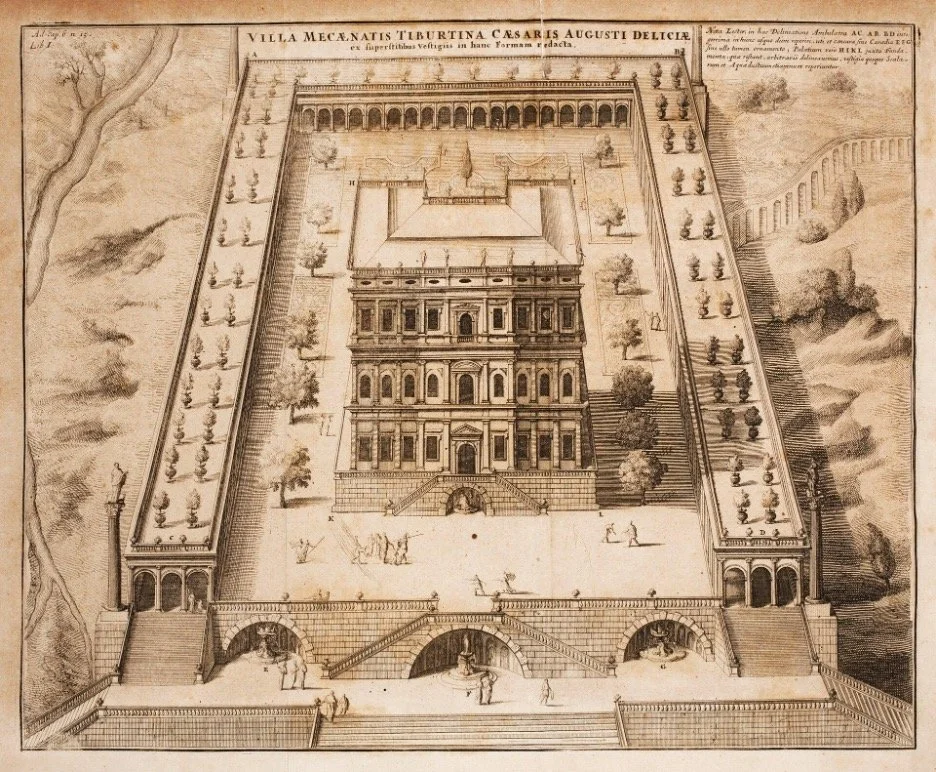
Reconstruction of the Villa Maecenas in Tivoli, Italy, 1713 (image: public domain)
Monday, 4 May 2026 | 08:30 – 12:30 CET
Deloitte Auditorium & Deloitte Gallery (Via Santa Sofia 28, 20122 Milan, Italy)
Co-conveners: Denis Maksimov and Adina Drinceanu, Future of Art Philanthropy initiative
Registration for the symposium is closed. If you were unable to attend, you can watch the recording below and catch up on the discussion.
The history of art philanthropy spans millennia. Artists have relied on private donors and the state for support for centuries, even before the state became involved. While both actors had their own agendas, the balance between state and market, and the wealthy, fostered diversity and innovation in arts and culture. However, with the corporatisation of art and culture against the backdrop of ongoing austerity policies, the state’s withdrawal from the field has led to a shift towards more homogeneous, market-friendly forms of art. In this context, the role of art philanthropists becomes increasingly crucial. The pressing question is how curators, artists’ vision champions, and art philanthropists can work together to address the sensitive issue of funding. This ensures that diverse, rich, and innovative art and culture remain produced. We will explore the practical models of funding and support for innovative contemporary art curators who are pushing the boundaries of art and culture making.
The keynote address will be given by Suheyla Takesh, an art historian and Director of the Barjeel Art Foundation. The Foundation is one of the leading organisations of the Gulf region with a specific focus on alternative modernisms and the role of women-artists in South Asian art history. She oversees curatorial and scholarly initiatives to expand the visibility and critical engagement with modern and contemporary Arab art through exhibitions, research and publication projects. Founded by the philanthropist Sheikh Sultan Sooud Al Qassemi, The Barjeel Art Foundation is at the forefront of questioning European art historiographies of modernism and avant-garde and building bridges between the institutions in the Global South. Takesh will also address the construction of the new museum in Sharjah.
The first panel, chaired by Denis Maksimov, will feature Lekha Poddar, Rajeeb Samdani, and Andrea Rurale and explore the state of art philanthropy now. Lekha Poddar, the founder of Devi Art Foundation, will present her outstanding work in India, which covers the restoration of cultural heritage and the introduction of South Asian contemporary art in a dialogue with the rich artistic traditions in the region. Her practice has ignited the interest in contemporary art practice in the region for many philanthropists, including Rajeeb Samdani, who will speak about his ongoing commitment to support artists and provide wider access to their work to the public. Together with his wife, Nadia Samdani, he established the Samdani Art Foundation, the biannual Dhaka Art Summit, and Srihatta–Samdani Art Centre and Sculpture Park in order to promote Bangladesh and South Asia’s contemporary artists and architects. Professor Andrea Rurale, the director of the Intensive Programme in Arts Market and Finance at Bocconi University, will reflect on the institutional and infrastructural specificities of philanthropic activities in the present.
The second panel, chaired by Adina Drinceanu, will bring together Nadja Argyropoulou, Vladimir Yavachev, and Bérénice Antoinette Robaglia to examine strategies for ‘producing culture’’ under the strain of the current context and its limitations. Nadja Argyropoulou, curator and artistic director of the 9th Thessaloniki Biennale Everything Must Change, will reflect on philanthropy as a ‘collective body’ and the ethical and operational challenges of carrying out the curatorial concept in a polarised and resource-constrained environment. Vladimir Yavachev of the Christo and Jeanne-Claude Foundation will discuss the artists’ distinctive approach to creative autonomy, highlighting a self-directed system of project financing and large-scale production that enabled ambitious interventions to unfold independently of institutional or market pressures. Bérénice Antoinette Robaglia of FAMM (Female Artists of Mougins Museum), founded by the collector and philanthropist Christian Levett, will explore how private initiatives can amplify historically underrepresented voices, mobilising collectors, curators, and communities to align diverse stakeholders in pursuit of shared cultural objectives.
At large, the Symposium inquires how curators, artists’ advocates, and art philanthropists can work together to address the politics of funding while ensuring that rich, diverse, and experimental art and culture continue to thrive. It will map the current state of art philanthropy in the early 21st century, outline possible futures, and present practical models of funding and support for contemporary art curators working at the forefront of cultural innovation. Organised under the umbrella of the Future of Art Philanthropy initiative, the Symposium is a step towards a larger conversation about the implications of ‘producing culture’ in the contemporary context. The initiative will stage the events, symposia, dialogues, and public programmes with the aim to consolidate the expertise, know-how, and innovative ideas into a Reader as well as build the community of like-minded art and culture producers and supporters.
PROGRAMME
09:00 – 09:20
Welcome and Introduction: Why Invest in Art and Culture?
by Denis Maksimov and Adina Drinceanu (FAP), Alfredo Cramerotti (IKT) with interventions by Roberta Ghilardi (Deloitte) and Valerio Galli (Innextart).
09:25 – 09:40
Keynote
The Case of Barjeel Art Foundation
by Suheyla Takesh.
09:45 – 10:30
Panel 1: The State of Art Philanthropy
with Lekha Poddar, Rajeeb Samdani and Andrea Rurale moderated by Denis Maksimov.
10:30 – 10:45
Coffee break
10:45 – 11:30
Panel 2: Strategies for “Producing Culture”
with Nadja Argyropolou, Vladimir Yavachev and Bérénice Antoinette Robaglia moderated by Adina Drinceanu.
11:30 – 11:50
Closing Reflections and Q&A
SPEAKERS
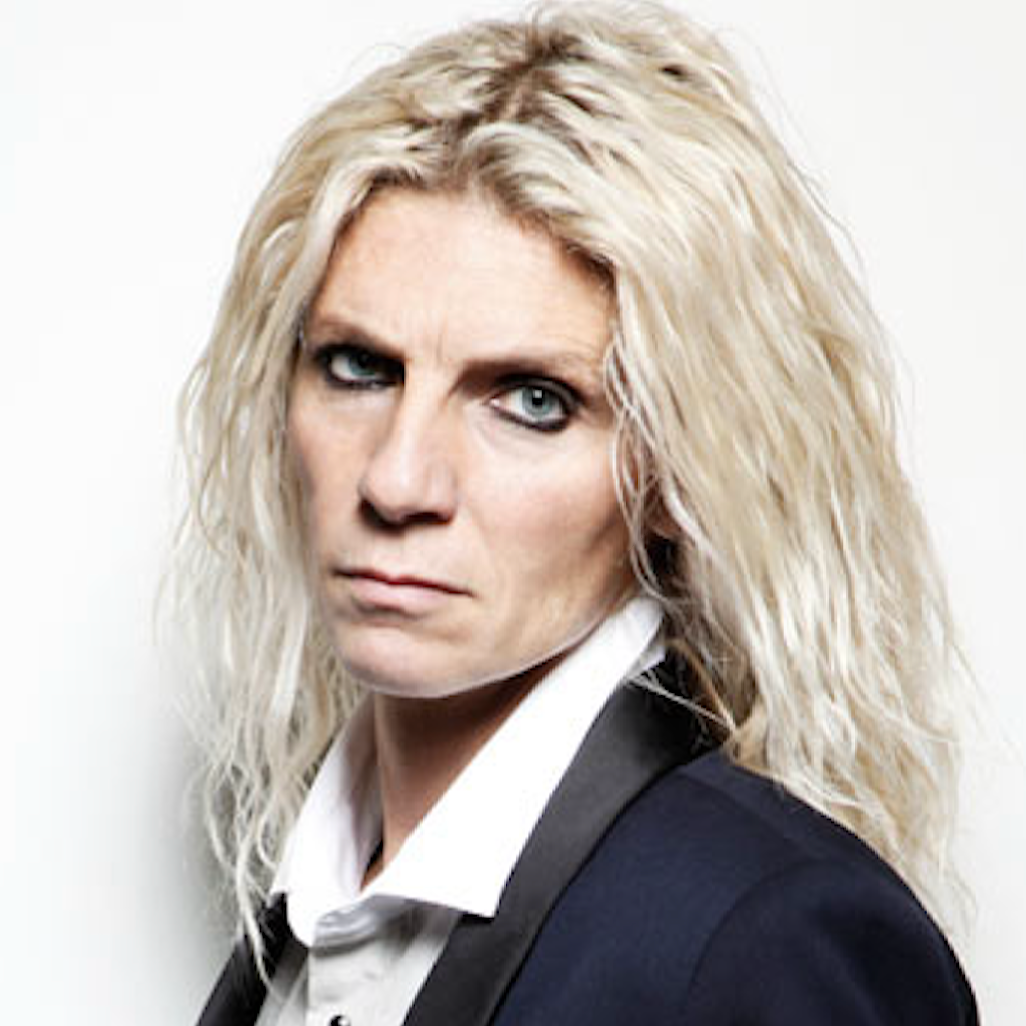
Nadja Argyropoulou
Nadja Argyropoulou is an independent curator, art historian and writer based in Athens and working internationally. She holds a BA in History and Archaeology from the National and Kapodistrian University of Athens and an MA in Art History and Theory, with focus on late Surrealism, from the University of Essex, UK. Argyropoulou has curated numerous exhibitions and interdisciplinary projects in Greece and abroad and has worked with a wide range of cultural institutions and independent art entities. She researches entanglements of the social and the artistic, ecocritical practices and forms of de-growth, neglected archives and deviant narratives. She has written texts on contemporary art in books, art catalogues and the press. She is a founding member of the artistic/research-scientific collective Saprofyta, of AICA (International Association of Art Critics) and of IKT (International Association of Curators of Contemporary Art).
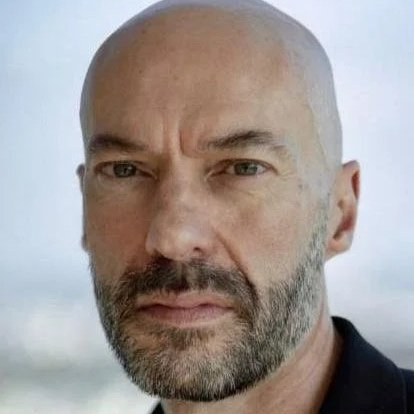
Alfredo Cramerotti
Dr Alfredo Cramerotti is a writer, curator, and Director of Media Majlis Museum at Northwestern Qatar. He has curated over 200 exhibitions, including for the Venice Biennale, Manifesta, Sequences, Noor Riyadh, and major art institutions worldwide. He is President of IKT–International Association Contemporary Art Curators, and Chair of Digital Strategies of AICA–International Association Art Critics. He authored five books (latest Hyper-imaging in Art. Media, Visual Communication forth. 2026) as well as hundreds of essays on art, curating, contemporary media, and the politics of visuality. Alfredo is the Editor of the Critical Photography book series by Intellect Books, and lectures internationally on art, technology, and visual culture, advancing curatorial thinking across both theory and practice.
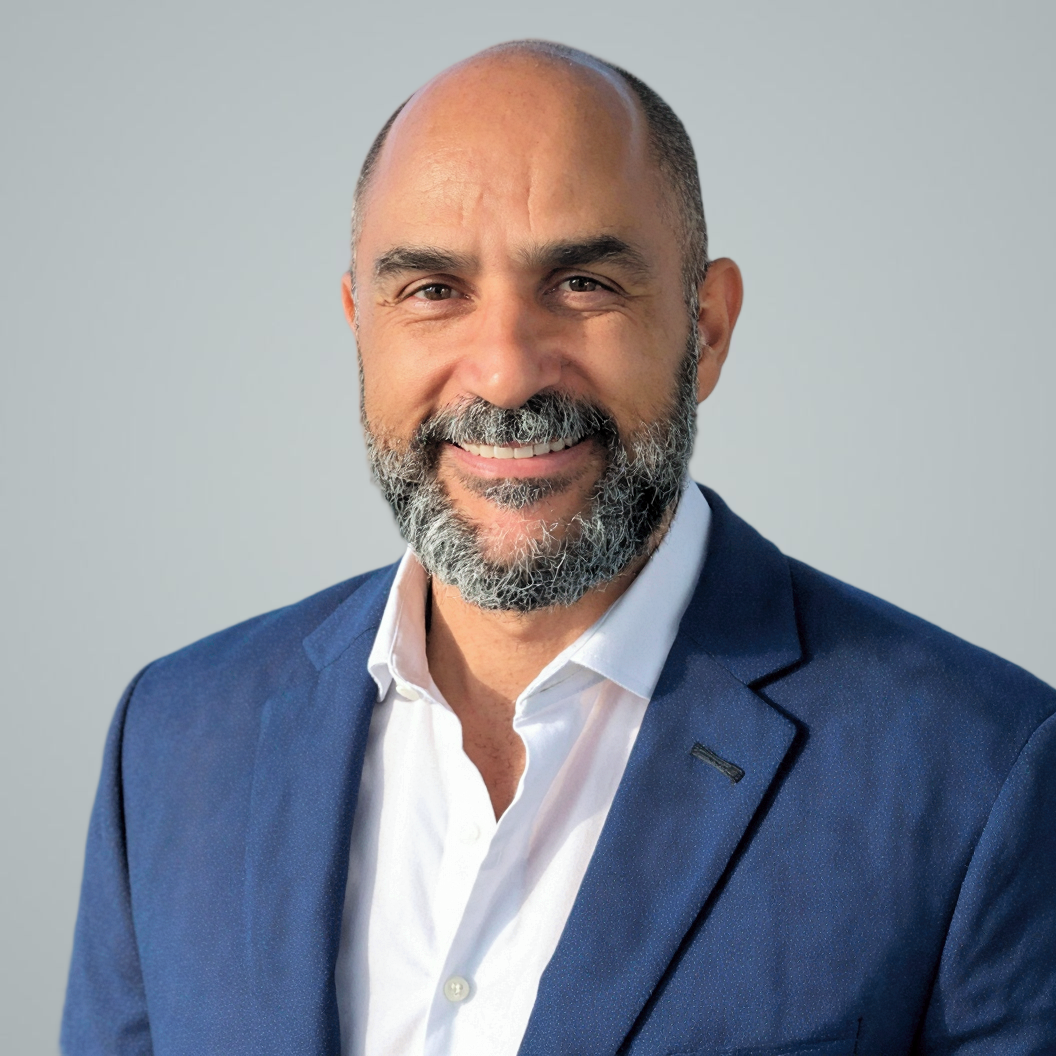
Valerio Galli
Valerio Galli is the founder of Innextart, a start-up company pioneering ethical models that bridge corporate investment and cultural institutions. With a background in economics and executive management, he brings a systems-thinking approach to the cultural sector's most pressing challenge: sustainable funding in an era of state withdrawal and market pressure.
Under his leadership, Innextart has developed transparent, impact-driven frameworks that connect businesses with museums and heritage sites—moving beyond transactional sponsorship toward long-term partnerships that preserve institutional autonomy.
Prior to Innextart, he held senior management roles in marketing and business development, experience that now informs a pragmatic, due-diligence approach to cultural philanthropy.
Valerio Galli represents a new generation of cultural intermediaries: professionals who speak both the language of business accountability and institutional mission, working to prevent the "corporatisation" of art while ensuring its financial viability.
Roberta Ghilardi
Roberta is an Art & Finance Senior Manager, Deloitte, where she has been working in the field of sustainability for 8 years with a particular focus on cultural and creative enterprises and the measurement of the impacts of culture. He has gained significant experience in consulting for Italian and multinational, profit and non-profit companies, as well as being a contact person for marketing and communication activities for Deloitte & Touche S.p.A. and collaborating on Deloitte Private Art & Finance publications at national and international level.
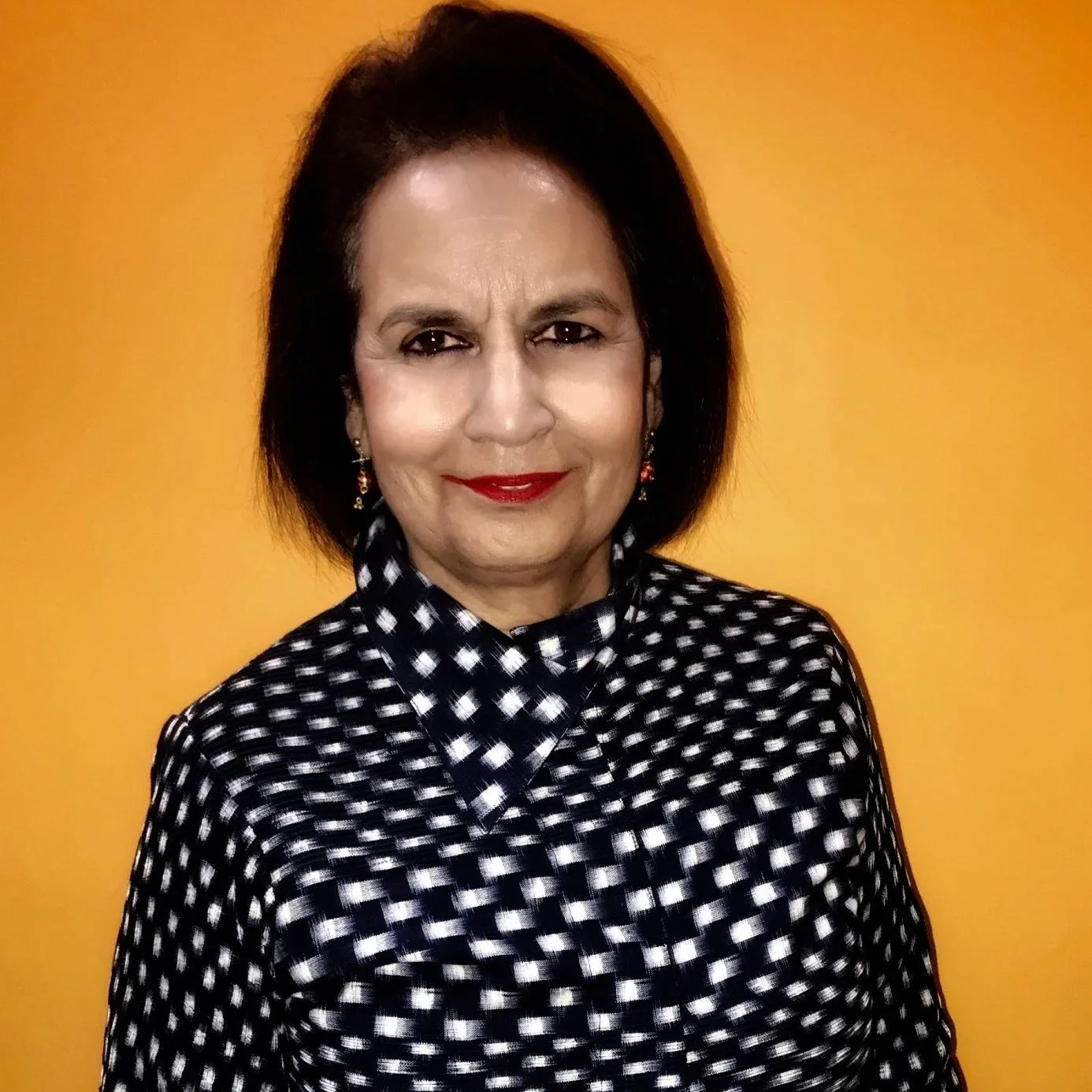
Lekha Poddar
Born in 1950 in Calcutta, Lekha Poddar is a philanthropist and an art collector. In 1990 she established Jeevashram, which cares for injured and sick animals, in Rajokri, New Delhi. In 1990, along with friends, she restored and started Neemrana Fort Palace Hotel, near Alwar, in Rajasthan. In 1997 Textile Arts of India, was formed as a Society to promote the excellence of traditional Indian Handloom Textiles. In 2000, along with her son, Anupam Poddar, an 18th century Fort Palace outside Udaipur, Rajasthan, was restored and opened as a hotel called Devigarh. In 2011 Jaipur, Rajasthan, saw the opening of 2 new hotels, Devi Ratn, and Rasa, an eco-friendly property with modern Cube-like tents. Together with her son Anupam, they channelled their passion for the Creative Arts which led to the establishment of Devi Art Foundation, in 2005. The Devi Art Foundation collection primarily consists of Contemporary Art from the Indian subcontinent, Living Tradition Arts of India and Textiles from India. The Foundation was committed to providing a space for young stakeholders experimenting with new ideas, without the imposition of commercial limitations. For comprehensive engagement and understanding, a series of lectures, talks, and artists’ interaction are designed around each exhibition. The Foundation has organised 22 exhibitions till date.
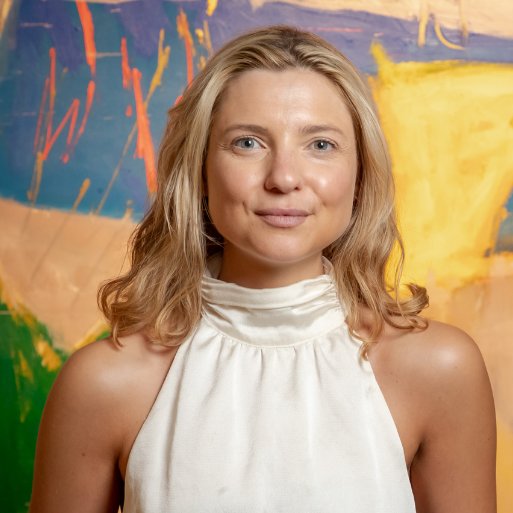
Bérénice Antoinette Robaglia
Bérénice Antoinette Robaglia has built expertise in the French art market through roles at Sotheby’s, Barnebys, Convelio, and other leading players in the art and culture sector, where she was responsible for marketing strategy, business development, and national and international communications. She holds a Master’s in Marketing from HEC Montréal and a Master’s in Environmental Sciences from Stockholm University. Since 2024, she has overseen marketing and business development at FAMM, promoting the Levett Collection, one of the most significant private collections of art by women, and positioning the museum as a reference for the public, collectors, high-net-worth individuals, and leading institutions. She applies business and market-oriented strategies to museum positioning, audience engagement, and institutional partnerships.
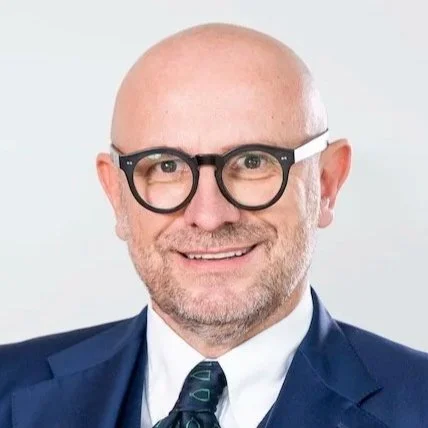
Prof. Andrea Rurale
Andrea Rurale is a professor of Marketing at Bocconi University. He is the Director of the Intensive Program in Art Markets and Finance (IPAFM) and has led international executive and master’s programs (MAMA) in arts management for over ten years. His research and teaching focus on the art market, cultural marketing, and experiential consumption. He serves on the Board of FAI – Fondo Ambiente Italiano and is President of FAI Lombardia, contributing to strategies for the promotion and enhancement of cultural heritage. He has held numerous positions in cultural foundations and artistic institutions both in Italy and internationally. He is the author and editor of volumes and scholarly publications on cultural management and the art market.
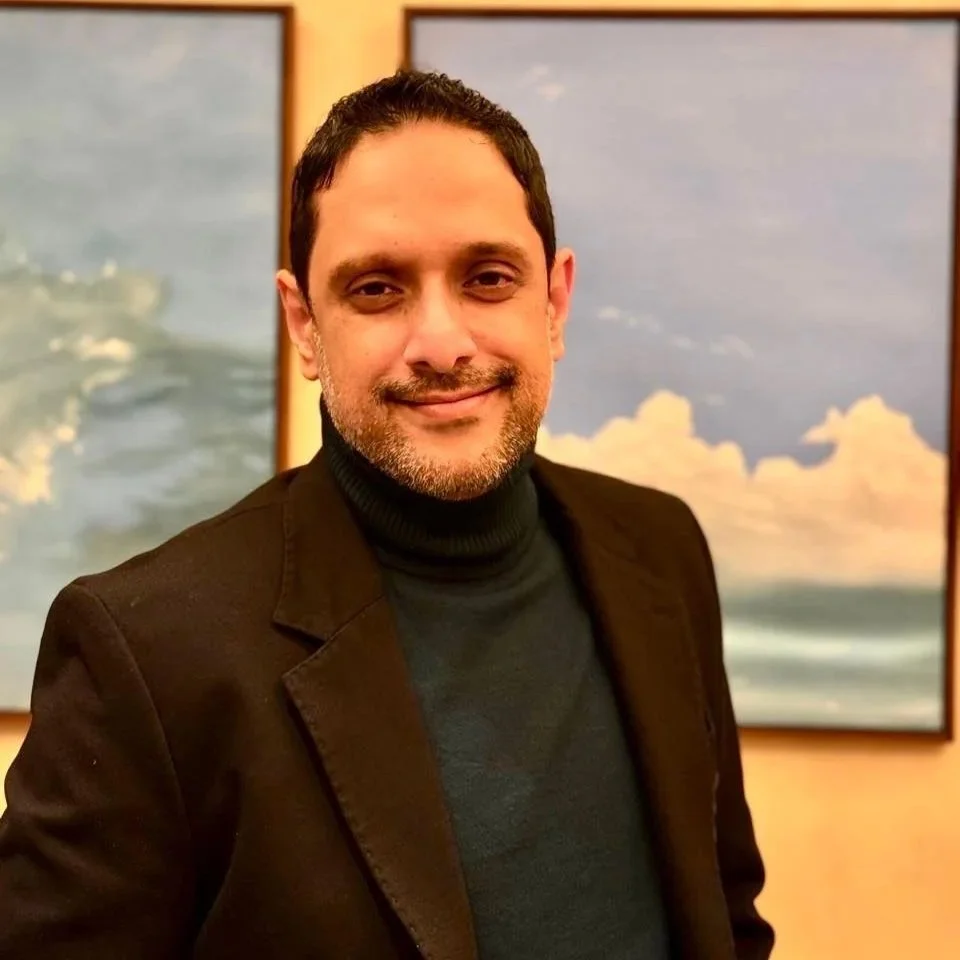
Rajeeb Samdani
Rajeeb Samdani is an industrialist and the Co-Founder & Trustee of the Samdani Art Foundation. Together with his wife Nadia Samdani MBE, he established the Samdani Art Foundation, the biannual Dhaka Art Summit, and Srihatta- Samdani Art Centre and Sculpture Park in order to promote Bangladesh and South Asia’s contemporary artists and architects. He is a member of the Tate International Council Advisory Board, a founding member and Co-Chair of Tate’s South Asian Acquisitions Committee, a member of Tate’s International Council, Alserkal Avenue’s Programming Committee, Delfina Foundation’s Global Council, Art Basel's Global Patrons Council, Art SG’s Advisory Group and a founding member of The Harvard University Lakshmi Mittal South Asia Institute’s Arts Advisory Council. In 2017, with his wife Nadia, he was the first South Asian arts patron to receive the prestigious Montblanc de la Culture Arts Patronage Award.
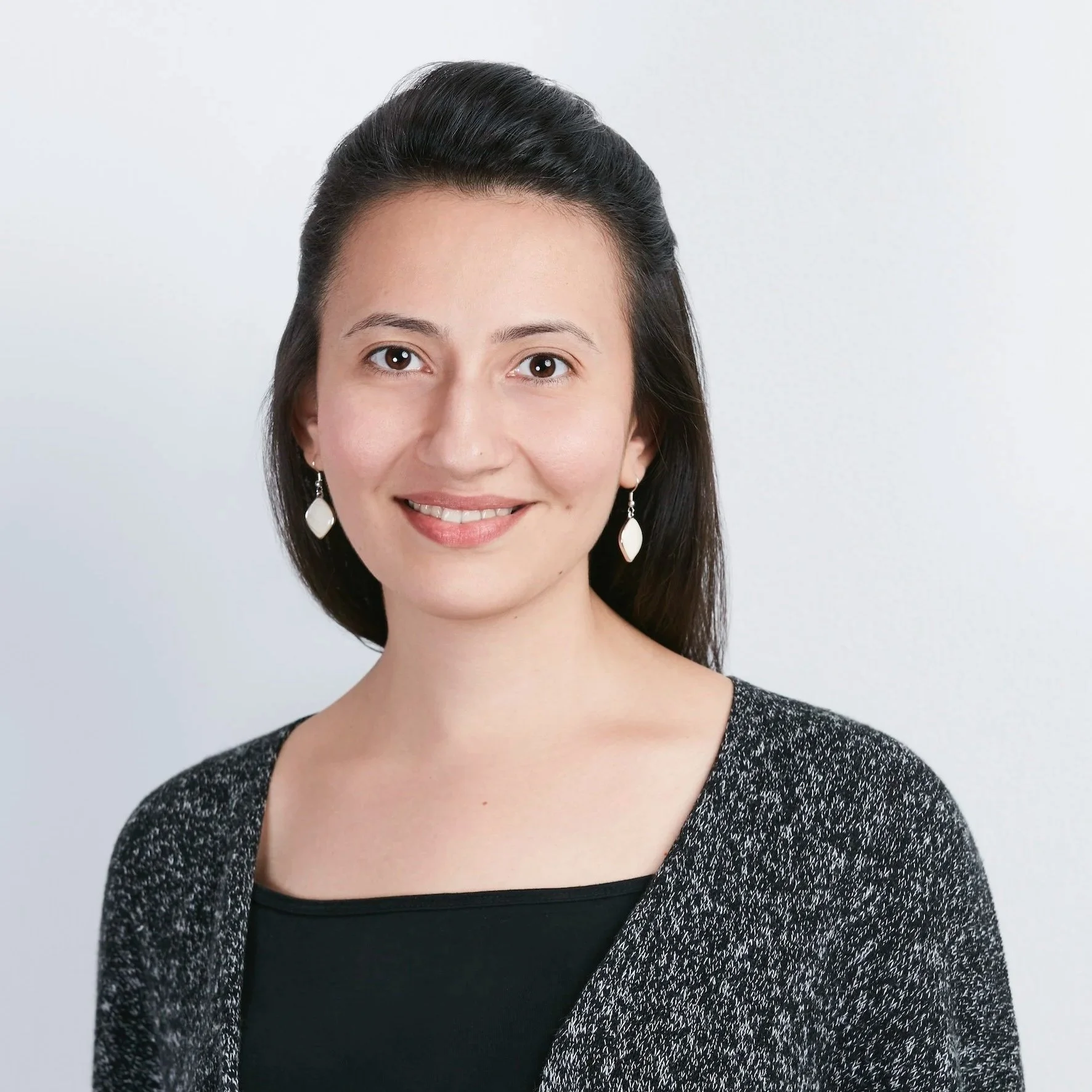
Suheyla Takesh
Suheyla Takesh is the Director of the Barjeel Art Foundation, Sharjah, where she oversees curatorial and scholarly initiatives to expand the visibility and critical engagement with modern and contemporary Arab art through exhibitions, research and publication projects. Since joining the foundation in 2013, she has curated numerous exhibitions internationally, and contributed essays to exhibition catalogues and peer-reviewed journals. She is the co-editor of volumes like Taking Shape: Abstraction from the Arab World, 1950s-1980s (Hirmer, 2020), The Life and Work of Inji Efflatoun (Skira, 2025), and Resonant Histories: India and the Arab World (Mapin, 2026). Suheyla holds a master’s degree from the History, Theory, and Criticism of Architecture and Art program at MIT, where she was enrolled in the Aga Khan Program for Islamic Architecture.
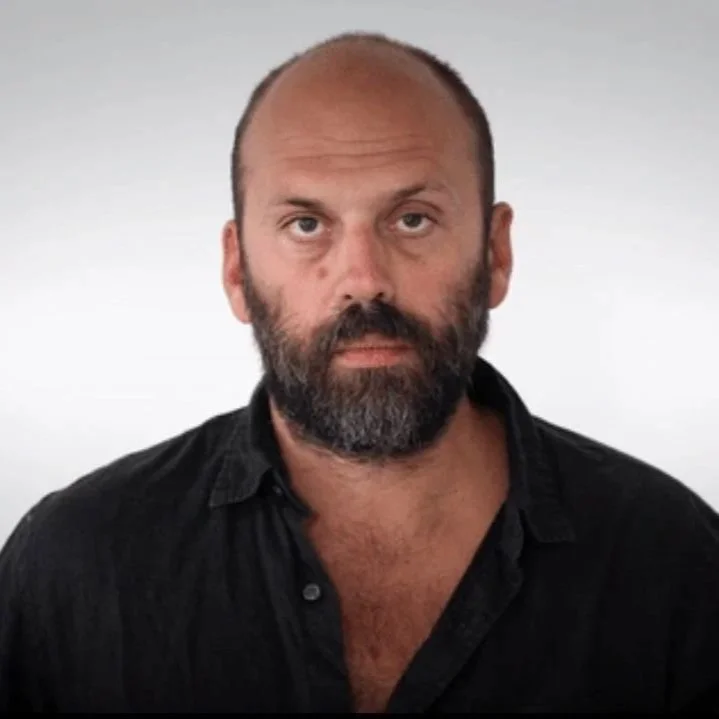
Vladimir Yavachev
Vladimir Yavachev was born in Sofia, Bulgaria in 1973. At 17 he moved to New York City to study film at NYU and work with his uncle Christo. He has contributed to all of Christo and Jeanne-Claude’s major projects over the past 32 years, in capacities both in and out of the studio, beginning as photographer Wolfgang Volz’s assistant on The Umbrellas (USA/Japan, 1991). He also worked on Wrapped Trees (Switzerland, 1998) and The Gates (USA, 2005), later serving as Operations Director for The Floating Piers (Italy, 2016) and Project Director for The London Mastaba (2018). Following the realization of L’Arc de Triomphe, Wrapped (Paris, 2021), the artists’ posthumous project, Yavachev is currently leading The Mastaba Project for the Middle East, which will be the duo’s largest and only permanent sculpture. He is on the board of the Christo and Jeanne-Claude Foundation and is Executive Director of the Mastaba Foundation, overseeing the long-term stewardship, ethical realization, and public legacy of Christo and Jeanne-Claude’s work.
CONVENERS
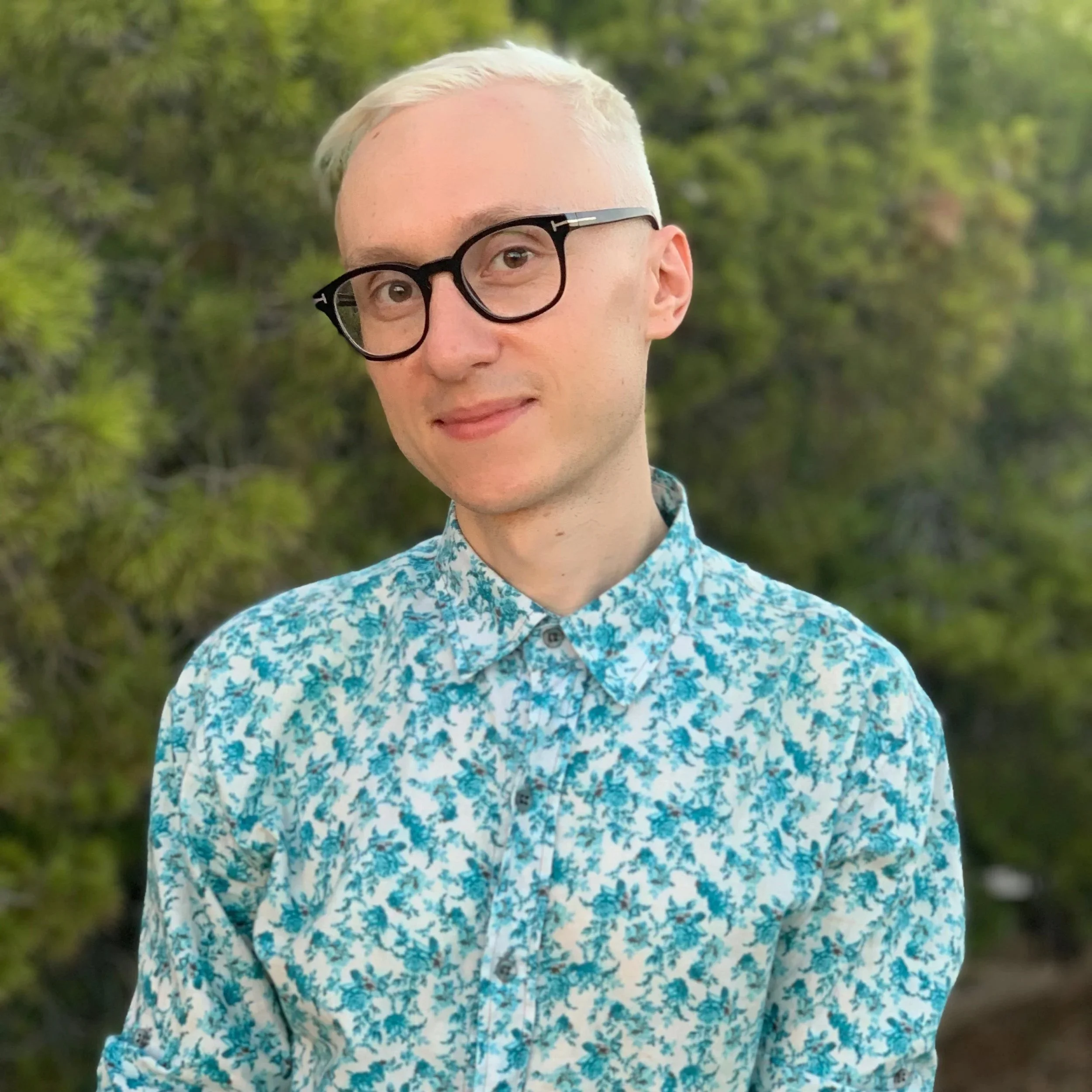
Denis Maksimov
Denis Maksimov is a curator, educator, and advisor based in London and Athens, and working worldwide. His practice spans contemporary art, global histories, geopolitics, and interdisciplinary humanities. He is a lecturer at the Salzburg International Summer Academy of Fine Arts and Joseph Backstein Institute of Contemporary Art; and a founder of the Lecture Performance Archive and the Avenir Institute. He served as a curator of art and programmes at Pushkin House, London; guest curator at Helsinki Art Museum and Copenhagen’s Ny Carlberg Glyptotek Museum, and held curatorial fellowships worldwide. Recent exhibitions include Jitish Kallat: Cosmic Calls (2025-2026) and Aziza Kadyri: Spinning Tales (2024-2025) at Pushkin House; Between Objects (2022) at the Helsinki Art Museum; Other, Desire, Vernacular (2022) at Temnikova&Kasela. He curated exhibitions and public programmes at Venice Biennales of art and architecture, São Paulo Biennale, Tbilisi Architecture Biennale, and other major events. His writing and criticism have appeared in Post MoMA, MIT Press, Ocula, etc.
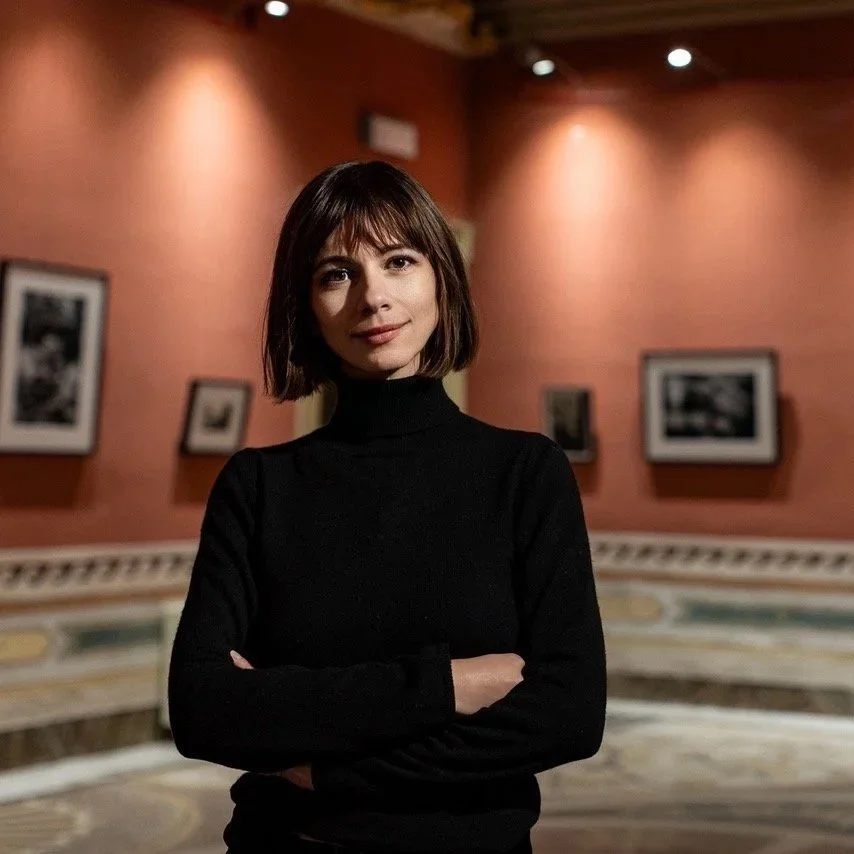
Adina Drinceanu
Adina Drinceanu is a researcher, curator, and cultural producer working across 20th- and 21st-century art, socially engaged practice, and institutional strategy. She is the founder and president of ERA – Eco Ricerca Arte, a non-profit that uses art as a tool for social transformation and inclusion, collaborating with vulnerable communities, public institutions, and cultural networks in Italy and abroad. Her research-driven curatorial practice integrates exhibitions, public programs, interdisciplinary collaboration, and collective knowledge production. Recent projects include A Gap in the Clouds (2025–2026, University of Cambridge), Refacerea (2025–2026, Nicodim Gallery, Bucharest), and Lingua Ignota (2024, Istituto della Pietà and Archivi della Misericordia, Venice), a participatory installation engaging communities across borders. Since 2014, she has collaborated with Gruppo Valorizzazioni Culturali / Art Events on initiatives across Italy and France, including projects for the Venice Biennale. As a consultant, she has developed cultural and educational strategies for institutions, including the Mastaba Foundation, New York, where she conceived a long-term program reflecting Christo and Jeanne-Claude’s vision.She also serves on the advisory board of a private collection in England. Her research focuses on Eastern Europe, conceptual and experimental practices of the 1960s and 1970s, and the cultural legacies of the Cold War beyond Europe.
Symposium Partners: