
Art by Disabled, D/deaf, and Neurodiverse Artists: Challenges and Opportunities in Inclusive Curating

Fergus Fitzgerald, 'Geography Is Important', installation view, Sirius Arts Centre, Cobh, County Cork, Ireland, 2025. Photo: John Beasley.
Date: Monday, 23 February 2026
Time: 3PM GMT (4:00 PM CET / 10:00 AM EST)
Duration: 1h 30min
Open to: Everyone
Admission: Free
Location: Online via Zoom
Zoom link:https://northwestern.zoom.us/j/97467927459(Please save the Zoom link for direct access on the day.)
Registration is now closed. If you missed it, catch up with the webinar recording below and revisit key insights!
Video subtitled by Stagetext.
ABOUT THE WEBINAR
Disabled, D/deaf, and neurodiverse artists have increasingly challenged historical barriers to participation in the art world, leading to greater mainstream recognition of their work. For example, the Turner Prize was recently awarded to Nnena Kalu, a practitioner supported by ActionSpace in London. In addition, MIMA in England organised ‘Towards New Worlds’, an exhibition featuring fifteen practitioners selected by Aidan Moesby, who previously collaborated with the institution through DASH’s Future Curators Programme.
In Ireland, Sirius Arts Centre produced a retrospective of Fergus Fitzgerald, affiliated with KCAT Arts Centre. The Museum of Modern Art in New York staged a presentation by Marlon Mullen, an artist based at NIAD Art Center. These developments have prompted curators to reconsider traditional definitions of art and to explore innovative ways to engage with disabled, D/deaf, and neurodiverse artists.
This webinar brings together leading curators and artists from the United Kingdom and Ireland, including Elinor Morgan, Aidan Moesby, and Róisín Power Hackett, all of whom are engaged in current debates concerning art by disabled, D/deaf, and neurodiverse artists in their respective countries. The speakers discuss the intellectual frameworks and methodologies used to organise exhibitions and events, as well as the institutional and practical challenges encountered.
The webinar provides knowledge and skills in institutional and narrative development, preparing attendees to collaborate effectively with disabled, D/deaf, and neurodiverse artists. It seeks to address gaps in expertise and capacity at both personal and institutional levels, thereby expanding attendees’ ability to create environments in which the voices of disabled, D/deaf, and neurodiverse artists are adequately and fully heard.
SPEAKERS
Aidan Moesby
Independent curator, artist and writer
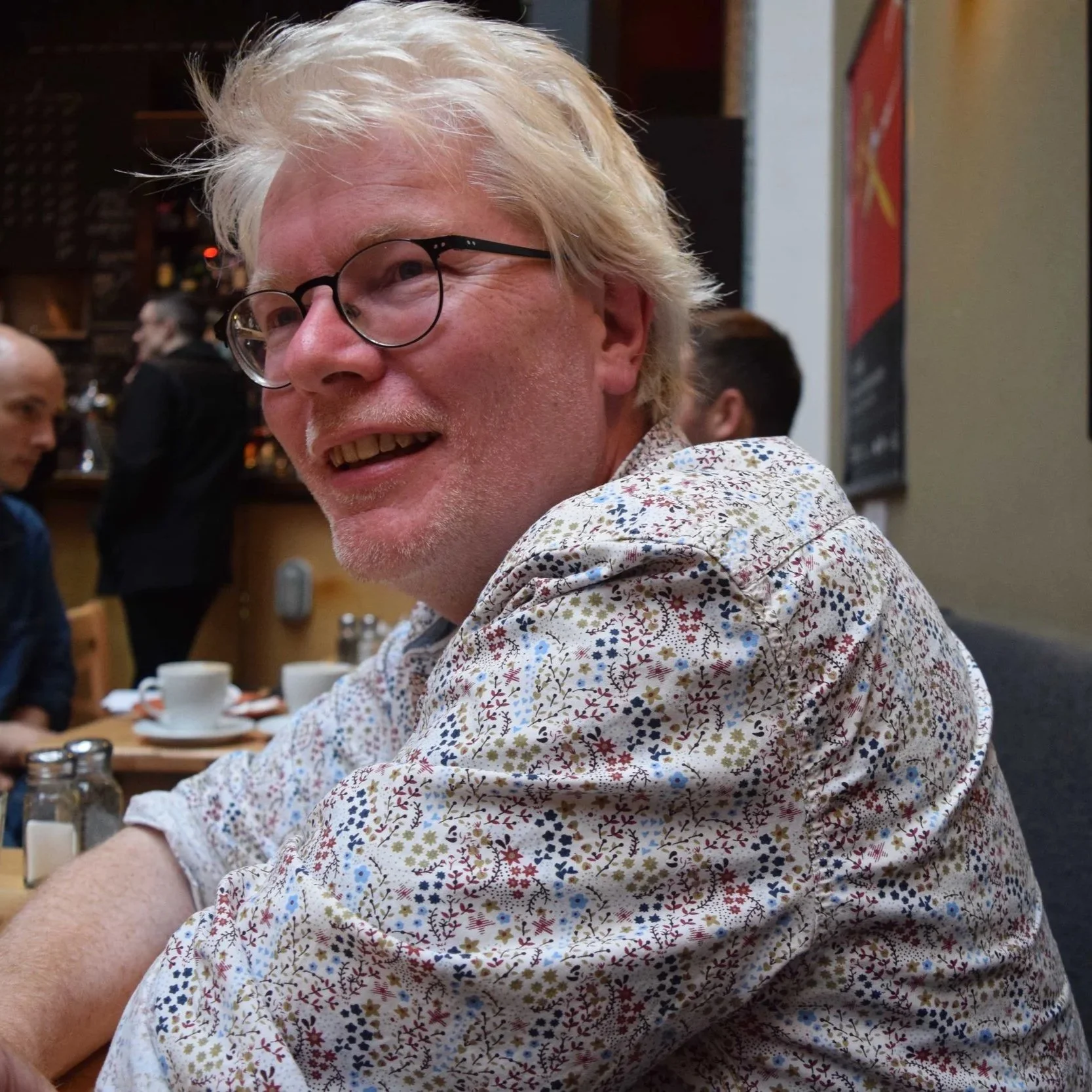
Aidan Moesby is an independent curator, artist, and writer. He brings an emotionally nuanced context to climate change and the deep interconnectedness between the natural and social environments.
Currently, he is a doctoral candidate at Teesside University; his practice-based research explores climate change and wellbeing through a neurodivergent and disabled lens.
He was the first disabled and neurodivergent curator-in-residence at MIMA, Middlesbrough, United Kingdom. In 2024, he co-curated Towards New Worlds at MIMA. This critically acclaimed exhibition is the largest institutional presentation of contemporary disabled, neurodivergent and D/deaf artists in the United Kingdom to date.
His practice foregrounds care, access, and inclusion, and features conversations that act as catalysts for positive social action and change. Equally likely to be found beyond formal institutions as within them, his work includes both Disability Arts and mainstream representation as an artist and curator. He operates in the United Kingdom and internationally across physical and digital platforms.
He also works as an access consultant, collaborating with organisations to develop and implement meaningful strategies and actions on Diversity, Inclusion and Equity.
Elinor Morgan
Curator and writer, and Associate Curator: Research & Strategic Partnerships, MIMA, Middlesbrough, United Kingdom
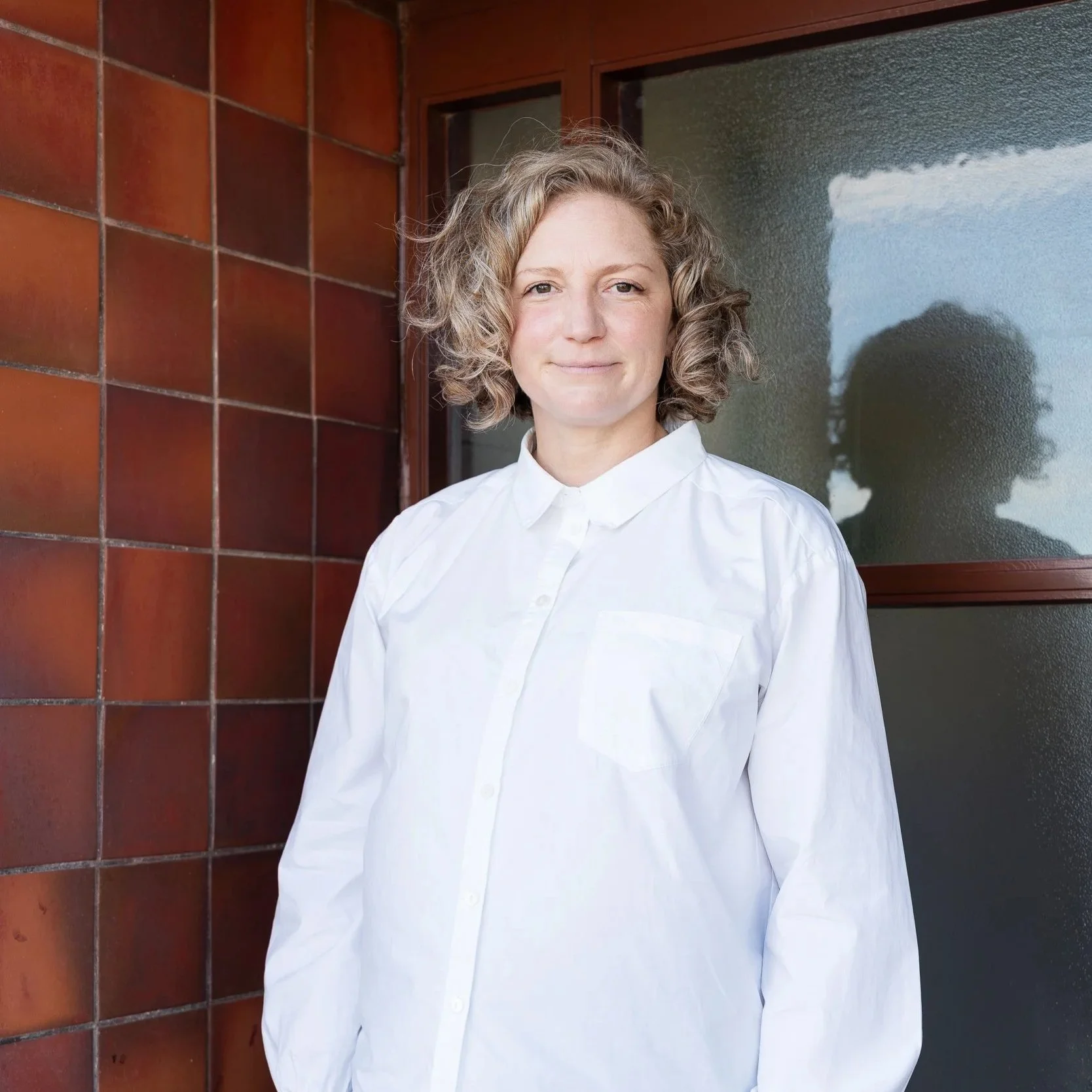
Elinor Morgan (she /her) is an independent curator and writer, and Associate Curator: Research & Strategic Partnerships at MIMA, part of Teesside University. She researches social histories and centres artists to share obscured art-historical, social, and ecological narratives.
Having worked at MIMA since 2015, Morgan was Artistic Director from 2021 to 2025. Informed by her research on how institutions might work differently with publics (she was co-editor of The Constituent Museum, Valiz, 2018), and by her work with colleagues, she has developed MIMA as a listening institution connected to context. She has prioritised public access to MIMA’s collection and published on equity and relevance in collections (she contributed to Ethics of Contemporary Curating, Routledge, 2024).
Since 2018, Morgan and her colleagues at MIMA have collaborated with Decolonising Arts Institute, University of the Arts, London, on projects such as Black Artists & Modernism; Transforming Collections: Reimagining Art, Nation and Heritage; and the 20/20 national commissioning programme. She has played a key role in developing the Future Curators network in the United Kingdom, supporting the careers and practices of D/deaf, disabled, and neurodivergent curators.
Morgan is Co-Chair of Disability Arts Online and a member of the Government Art Collection’s Advisory Committee.
Róisín Power Hackett
Artist, writer and curator, and Programme Support Officer at Arts & Disability Ireland
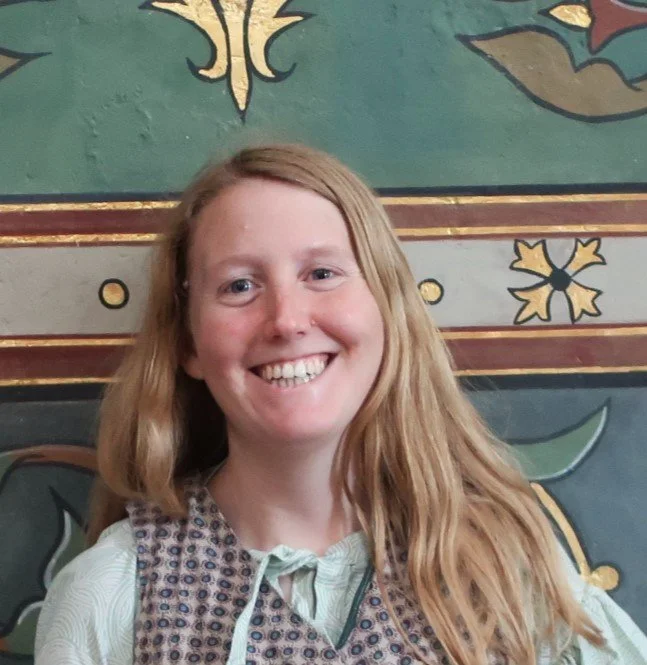
Róisín Power Hackett is an artist, writer, and curator, and has been the Programme Support Officer at Arts & Disability Ireland since 2023.
Power Hackett graduated from the ARC-LAB Gallery Curatorial Scholarship at the Dún Laoghaire Institute of Art, Design and Technology, Dublin, where she researched inclusion in and access to the arts for people with disabilities.
Power Hackett’s curating includes organisations such as at KCAT Arts Centre in Callan, County Kilkenny, Ireland (2022) and LAB Gallery in Dublin (2021). It also includes a commission for the digital realm by Arts & Disability Ireland (2020).
Power Hackett awards include an Artlinks Professional Development Bursary from Waterford County Council, Ireland (2024); an Arts and Disability Connect Research and Development Award from Arts & Disability Ireland (2021); and a Visual Arts Bursary Award from the Arts Council, Ireland (2018).
Moderator
Miguel Amado
Curator and writer, and Director of Sirius Arts Centre, Cobh, County Cork, Ireland
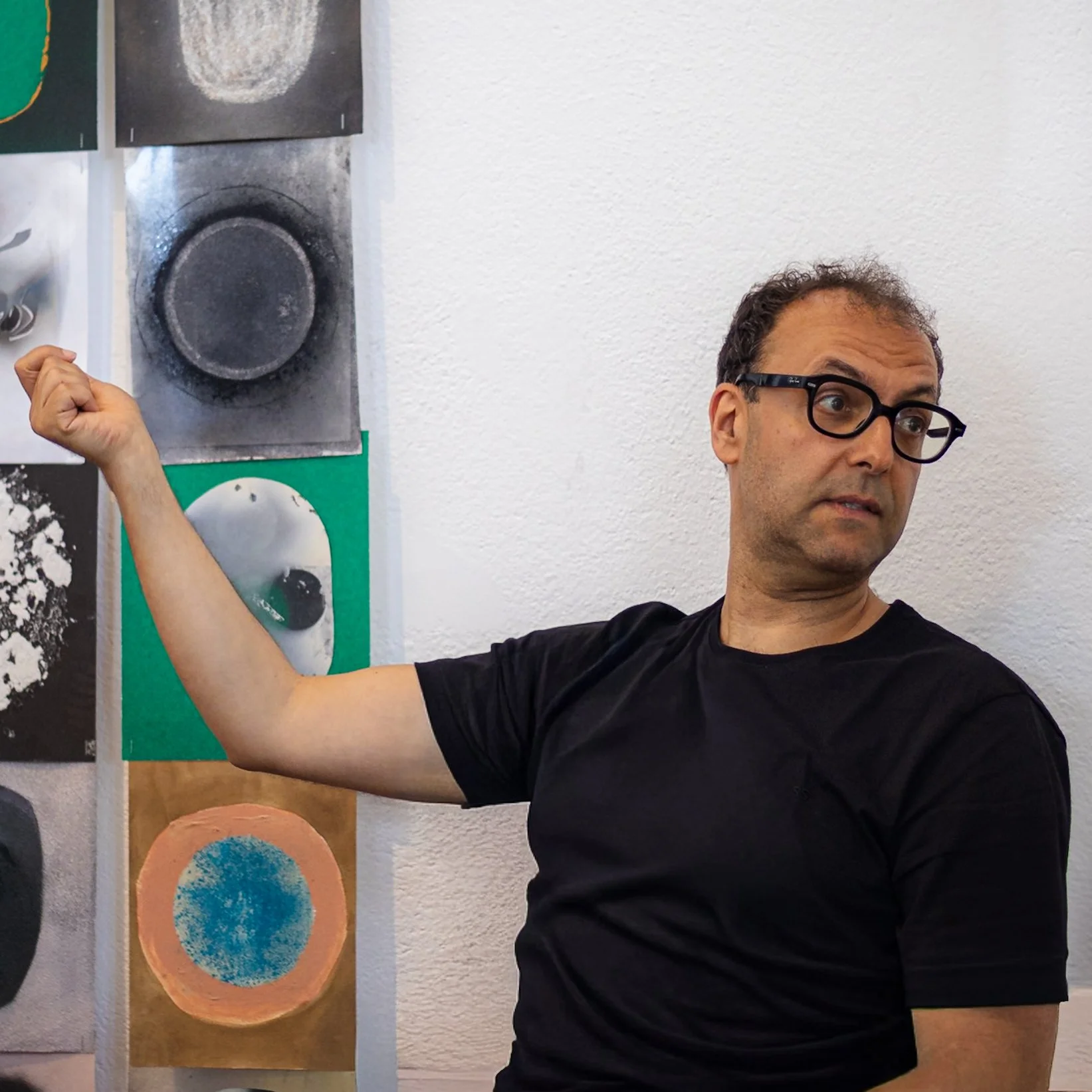
Miguel Amado is a curator and a critic, and has been Director of Sirius Arts Centre in Cobh, County Cork, Ireland, since 2020. At Sirius Arts Centre, the programme involves producing and presenting new work through collaboration with artists and communities, often featuring practices exploring underrepresented and underprivileged identities and narratives.
In 2026, highlights of the programme at Sirius Arts Centre include exhibitions by artists Basil Al-Rawi, Leanne McDonagh, and Osías André. Past exhibitions at Sirius Arts Centre and other Irish venues through touring schemes include artists such as Alice Rekab, Samir Mahmood, Sarah Browne, Anton Vidokle, Partisan Social Club, and Daniela Ortiz.
Amado’s past posts include directorships and curatorial roles at Cork Printmakers in Ireland; MIMA and Tate St Ives in England; Abrons Arts Center and Rhizome at the New Museum in New York; and PLMJ Foundation and Visual Arts Centre in Portugal. Artists with whom he worked in these institutions include Chila Kumari Singh Burman, Stephen Willats, Renzo Martens and the Cercle d’Art des Travailleurs de Plantation Congolaise, Núria Güell, Simon Fujiwara, and Yonamine.
He is a regular contributor to Artforum and the Visual Artists’ News Sheet, and has edited and written for numerous books and catalogues, including a monograph by Anton Vidokle and ten volumes surveying aspects of the PLMJ Foundation’s collection.
Important Notice: Please be aware that the online session will be recorded. By participating in the workshop, you consent to the recording of the session, which will include audio, video, and any shared content. The recorded webinar will be published on the IKT YouTube channel and website for future reference and for the benefit of members who are unable to attend the live session.